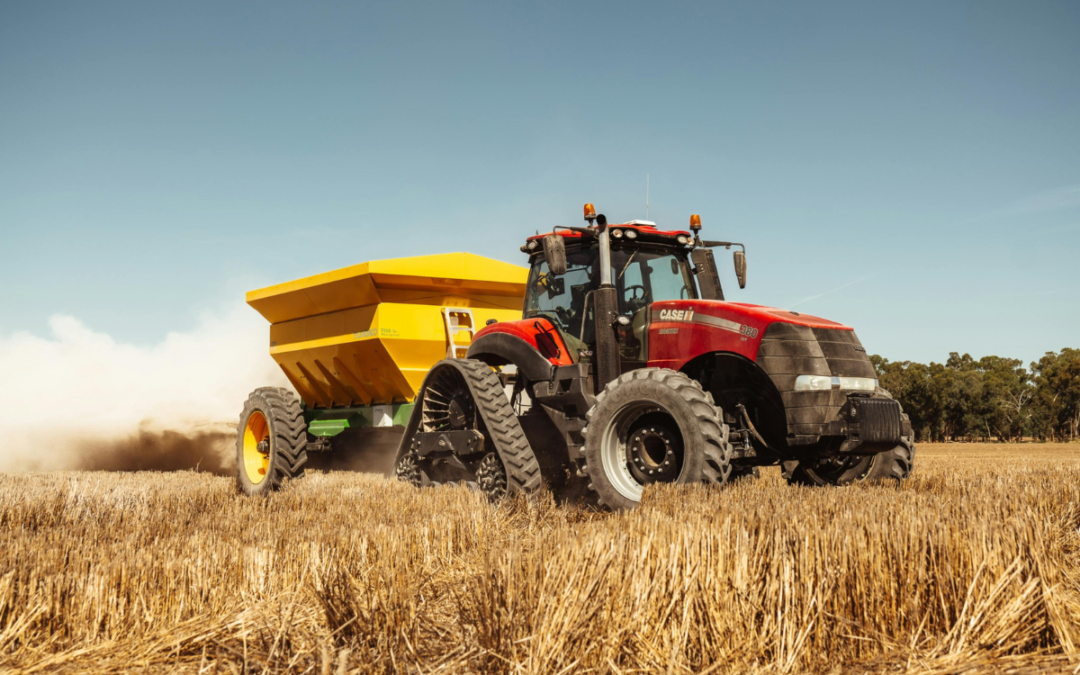
On a working farm, fuel is never just about keeping the farmhouse warm. Tractors, telehandlers, generators, grain dryers and workshop heaters all depend on a steady supply, and running short at the wrong moment can hold up lambing, silage or harvest. For farms across Anglesey, Conwy, Denbighshire and Wrexham, finding a dependable source of heating oil for farms in North Wales, alongside gas oil and diesel, is simply part of running the business well.
Understand the different fuels on site
Most farms handle more than one type of fuel. Kerosene heats the farmhouse and sometimes outbuildings or holiday lets. Gas oil, commonly known as red diesel, powers tractors and other machinery used for agriculture, while road diesel is needed for vehicles on public roads. Each has its own rules, storage requirements and pricing, so it pays to keep them clearly separated and labelled.
The rules around red diesel changed in 2022, restricting its use to a narrower set of purposes. Agriculture remains one of the permitted uses, but farms that also run contracting, diversification or other enterprises should check that each fuel is only used where it is allowed.
Plan around the farming calendar
Fuel demand on a farm rarely follows a smooth line. Usage spikes during silage and harvest, while heating demand peaks through winter and lambing. Mapping out these busy periods helps you place orders before you need them, rather than chasing deliveries in the middle of a heatwave or a cold snap when suppliers are at their busiest.
Scheduled top-up plans can take much of the effort out of this. Agreeing regular deliveries with your supplier based on historic usage means tanks are refilled automatically, freeing up time for the work that actually needs doing. Keeping simple records of how much fuel each part of the business uses, whether that is the grain dryer in autumn or the farmhouse boiler in January, also makes it far easier to spot unusual consumption and budget accurately for the year ahead.
Storage and compliance
Fuel storage on farms is covered by environmental regulations designed to protect rivers and groundwater. Requirements depend on the size, age and location of the tank, so it is worth checking current guidance from Natural Resources Wales if you are unsure where you stand. Regardless of the exact rules, secondary containment such as a bunded tank, siting stores well away from drains, ditches and streams, and keeping spill kits close at hand are all good practice.
Regular inspections are equally important. Look for corrosion, damaged pipework, leaking valves and signs of wear on hoses and nozzles. A spill can be costly to clean up and damaging to the very land the farm depends on. Older single-skinned tanks deserve particular scrutiny, as they offer no protection if the inner wall fails.
Protect fuel quality and security
Machinery and boilers both suffer when fuel is contaminated. Water, sediment and microbial growth, sometimes called diesel bug, can block filters and damage injectors. Keeping tanks topped up to limit condensation, draining off water periodically and using fuel additives where appropriate all help to protect expensive equipment. It also pays to check machinery filters more often if contamination has been a problem before, and to buy from a supplier who can advise on additives for both heating oil and diesel.
Security is the other pressing concern. Remote rural locations make fuel stores an attractive target. Lockable valves, alarms, CCTV and tank monitoring systems that flag sudden drops in level can deter thieves and help you act quickly if something goes wrong.
Bringing it all together
Many farmers find it simpler to work with one supplier for all their fuels, which makes it easier to coordinate deliveries and manage accounts. A single point of contact who understands how your farm operates, from the number of tanks on site to the seasons when demand peaks, can make a real difference when time is short. For further reading, there is a helpful overview of fuel planning for rural businesses that looks at the wider picture of keeping supplies steady on rural and agricultural sites.
Good fuel management rarely gets much attention until something goes wrong. A little forward planning, sensible storage and a reliable supply chain go a long way towards keeping a North Wales farm warm, productive and moving through every season.
Recent Comments